Author: singomedia

  • The Feedback Loop: Why Your Next Strategy Should Come from the Community

    The Feedback Loop: Why Your Next Strategy Should Come from the Community

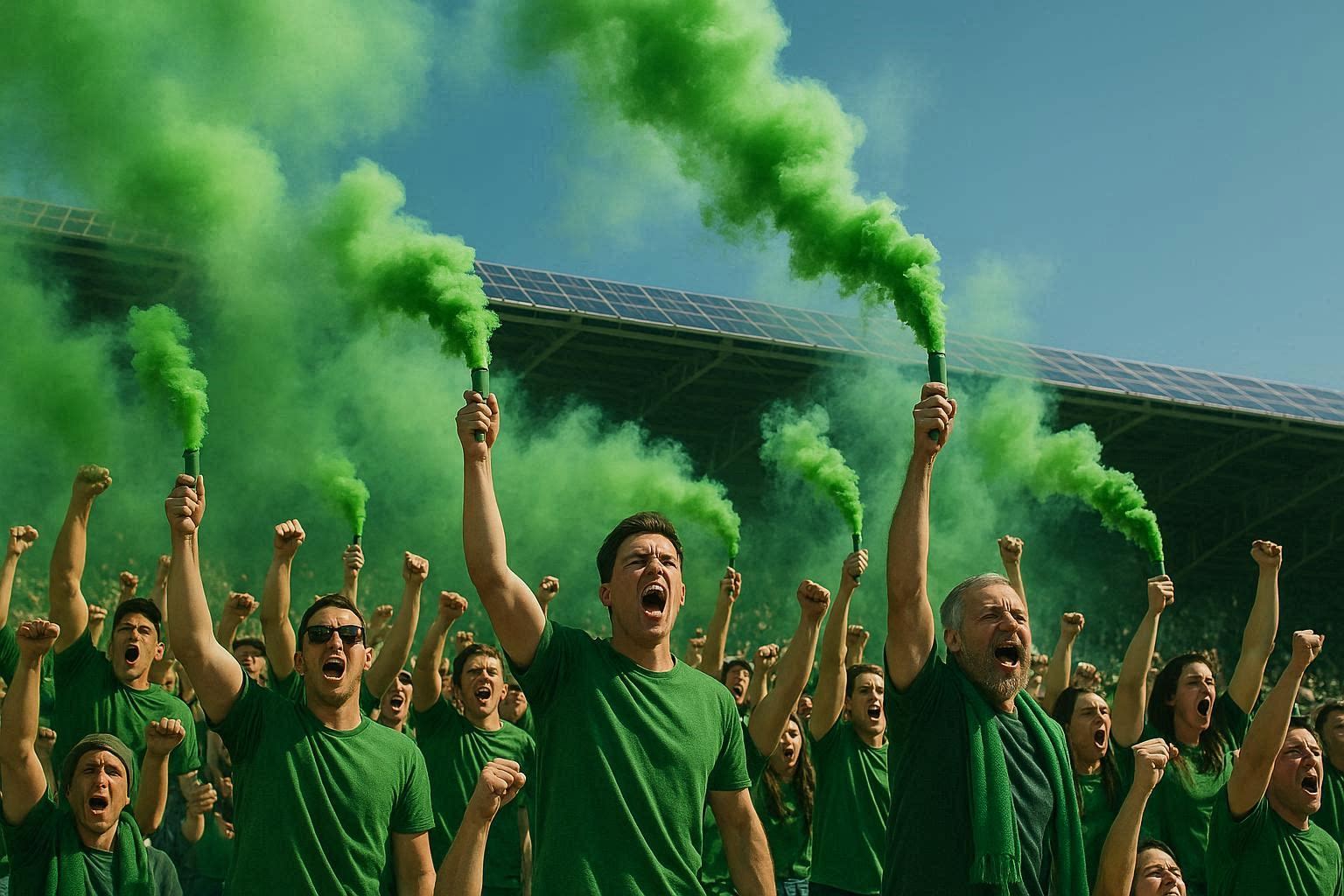
    The Dutch Ministry proves that policy must flow both ways. Clubs often fail because they dictate to the community instead of listening. Implementing a “Monitoring & Evaluation” framework that collects qualitative insights from parents, local shop owners, and players creates a feedback loop.

    This “ground up” data allows you to pivot quickly. Are the junior sessions too late? Is the food too expensive? By listening and adapting, you build loyalty that no amount of advertising can buy. The smartest strategy is the one written by your own fans.

    Dutch Policy Feedback

  • The Carbon-Free Derby: How to Host a Green Matchday

    The Carbon-Free Derby: How to Host a Green Matchday

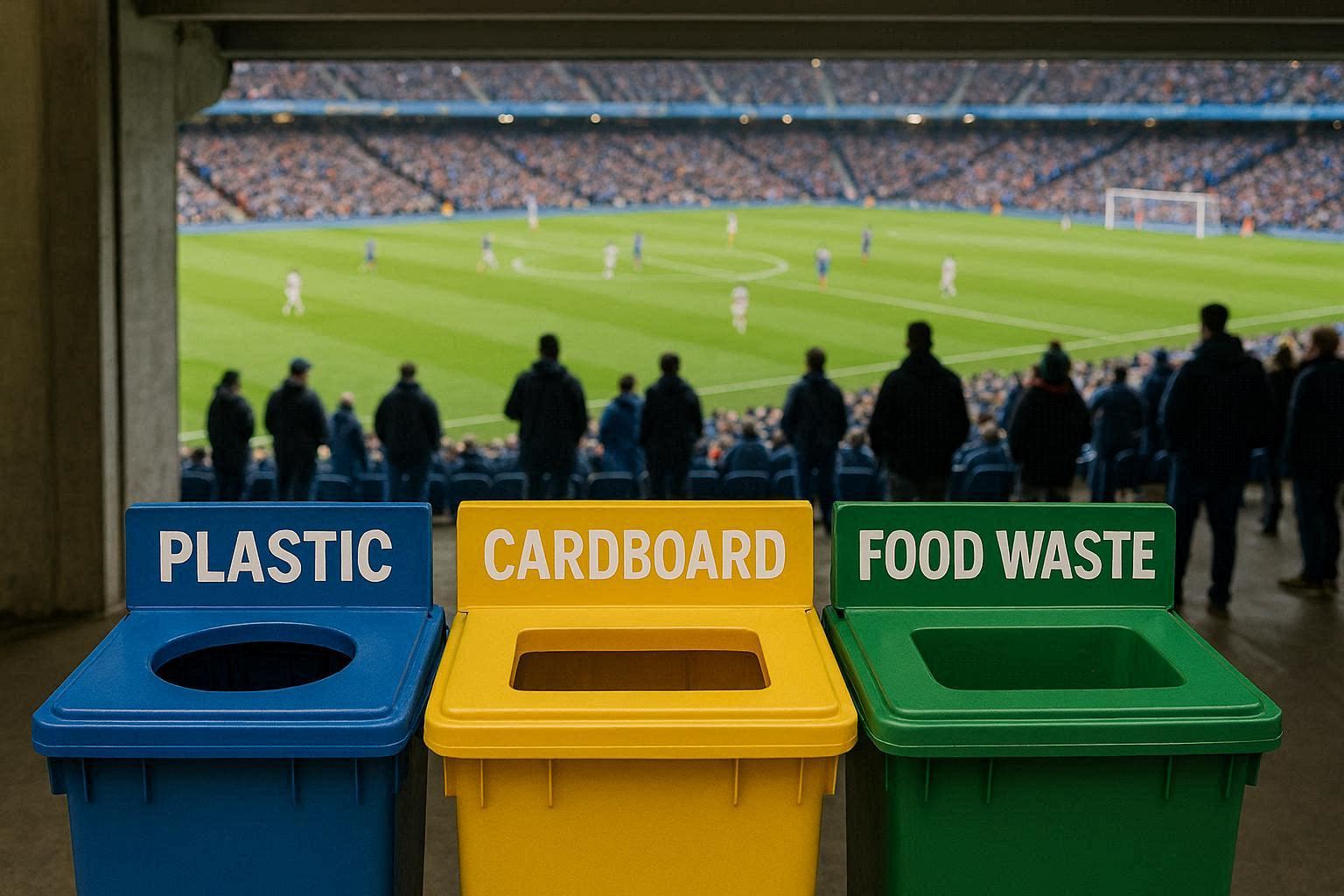
    The “Golden Gala” in Rome has set a new standard by installing real-time air quality monitors and distributing plantable seed paper tickets. For the modern club, “Green Event Planning” covers everything from catering (local products) to mobility (incentives for public transport).

    Aligning your matchday with World Athletics or FIFA sustainability standards attracts eco-conscious broadcasters and fans. Small shifts—like eliminating single-use plastic or offering a “Green Rider” to visiting teams—compound into a powerful brand identity. The climate crisis is the biggest game in town; make sure your club is on the winning side.

    Golden Gala (Rome)

  • The IOC Blueprint: Using M&E to Prove Social Impact

    The IOC Blueprint: Using M&E to Prove Social Impact

    The International Olympic Committee doesn’t just fund good intentions; it funds measurable outcomes. Projects like “Lacrosse Fridays” use quantitative metrics (participation rates, active cities) alongside qualitative metrics (skill mastery, teamwork) to secure ongoing backing.

    For your club, a simple Excel sheet won’t cut it. You need dashboards that track beneficiary progress from “Newcomer” to “Team Player.” By implementing M&E systems that monitor participant retention and skill progression, you prove your social value. This evidence is the currency required for long-term NGO and government partnership.

    IOC Young Leaders / Lacrosse Fridays

  • Inclusion is the Scoreboard: Opening Access for All Abilities

    Inclusion is the Scoreboard: Opening Access for All Abilities

    True community impact is measured by who is left out. Initiatives like the Dutch “Knowledge Centre” for adaptive sports prove that building inclusive infrastructure requires dedicated personnel—”knowledge holders” who bridge the gap between policy and practice.

    Clubs that offer para-football or unified sports tap into SDG 10 (Reduced Inequalities). This not only fulfills a moral obligation but opens doors to specific social impact grants and disability-focused corporate partners. Inclusion isn’t just nice to have; it is the fastest growth pathway for community engagement.

    Dutch Ministry & IOC

  • The Ecosystem Blueprint: Building Pathways, Not Just Teams

    The Ecosystem Blueprint: Building Pathways, Not Just Teams

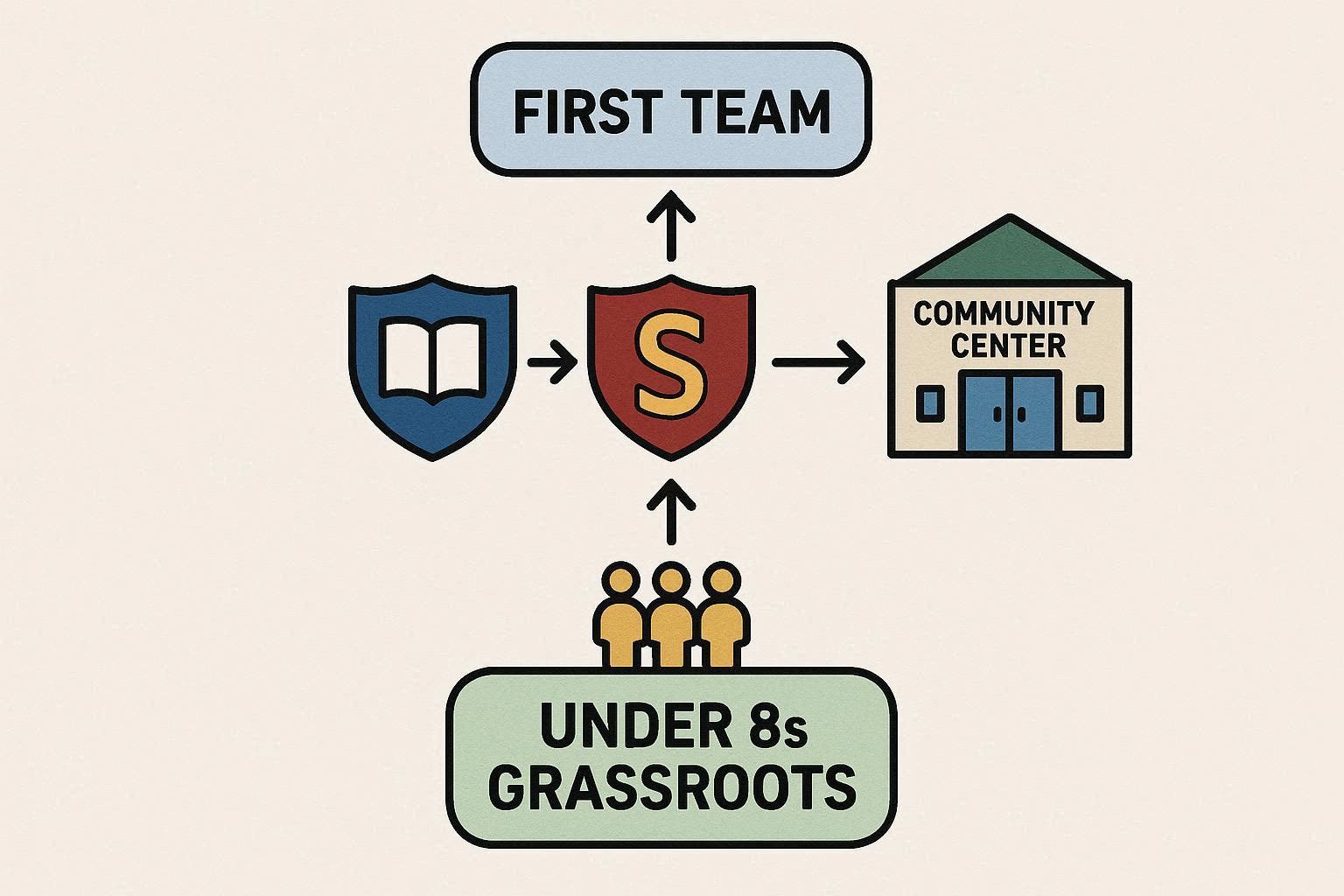
    Sustainable development is multi-level. The Dutch model shows that national policy succeeds only when local “Knowledge Holders” activate regional networks. For a club, this means designing an integrated ecosystem: aligning schools, local businesses, and healthcare providers.

    Future Makers helps create these blueprints, ensuring stakeholders work in harmony. A club isn’t just a destination; it is a hub connecting youth leagues, disability sports, and social initiatives. By facilitating this alignment, your club becomes indispensable to the community fabric, securing government and CSI funding.

    Dutch Ministry of Sport

  • Activation Over Relation: Why “Dead Inventory” Kills Deals

    Activation Over Relation: Why “Dead Inventory” Kills Deals

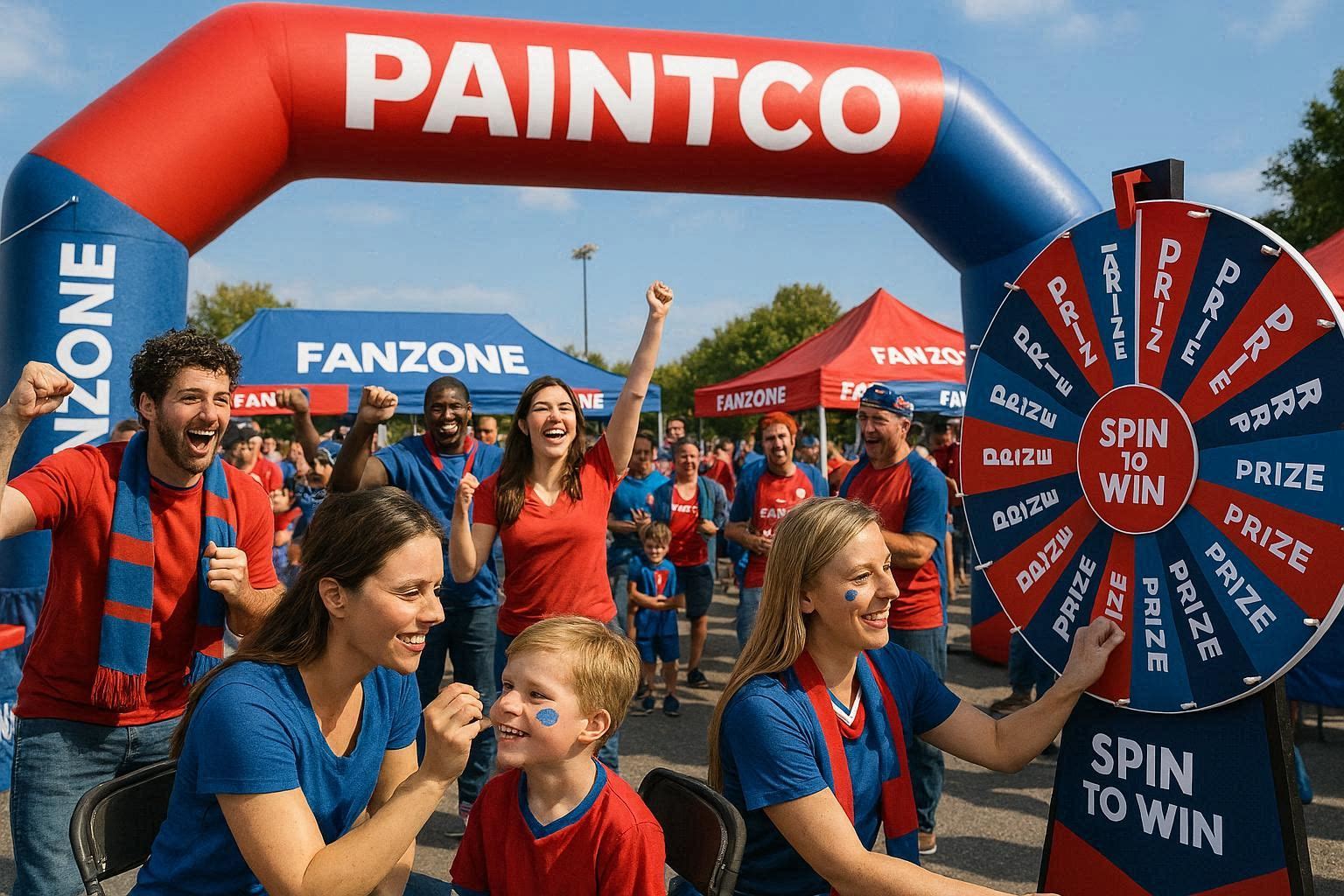
    A logo on a static billboard is “dead inventory.” Sponsors today crave activation—the tangible, noisy, fun interaction with fans. The most successful clubs design sponsorship packages that include pitchside challenges, digital fan polls, and VIP experiences.

    If your pitch deck doesn’t include an “Activation Strategy,” you are leaving money on the table. Sponsors pay a premium for the moment their product is integrated into the matchday experience. Build the proposal around “moments” not “spaces,” and watch your sponsorship valuation increase overnight.

    General Sponsorship Strategy

  • Beyond the Logo: Proving ROI with Impact Reporting

    Beyond the Logo: Proving ROI with Impact Reporting

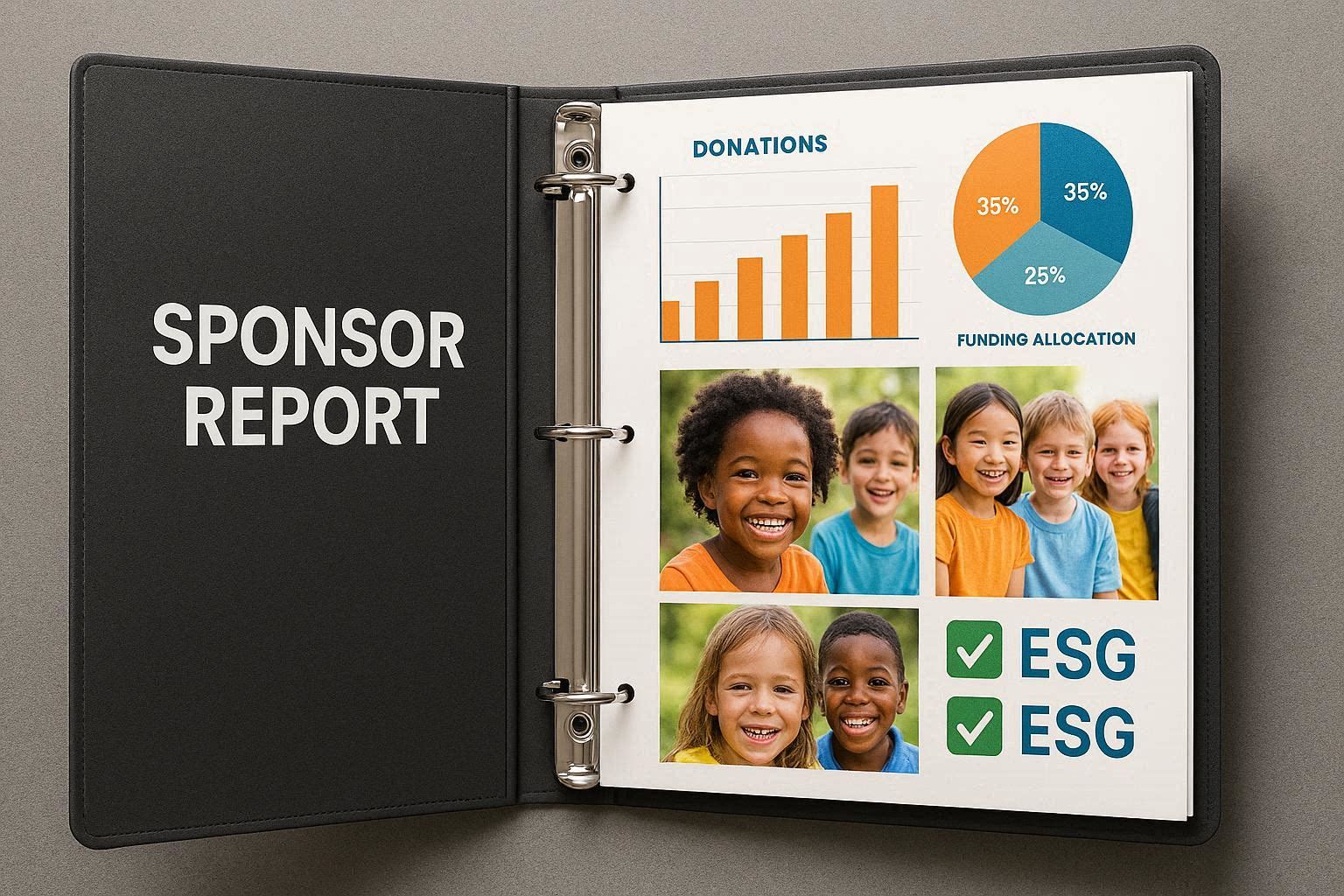
    Why should a brand renew your sponsorship? Because you proved it changed behavior. 11th Hour Racing showed that effective sponsorship evaluation requires third-party rigor. They didn’t just count logos; they measured how sailing fans changed their habits regarding plastic use. The result? An 86% concern rate for ocean health and high renewal intent.

    For your club, formalized M&E frameworks turn vague “awareness” claims into hard data. When you present a sponsor with evidence of reach, behavior change, and ESG alignment, you aren’t asking for charity; you are delivering a business service. That is how you build partnerships that last decades.

    11th Hour Racing Evaluation

  • From the Stands to the Wallet: Monetizing Fan Engagement

    From the Stands to the Wallet: Monetizing Fan Engagement

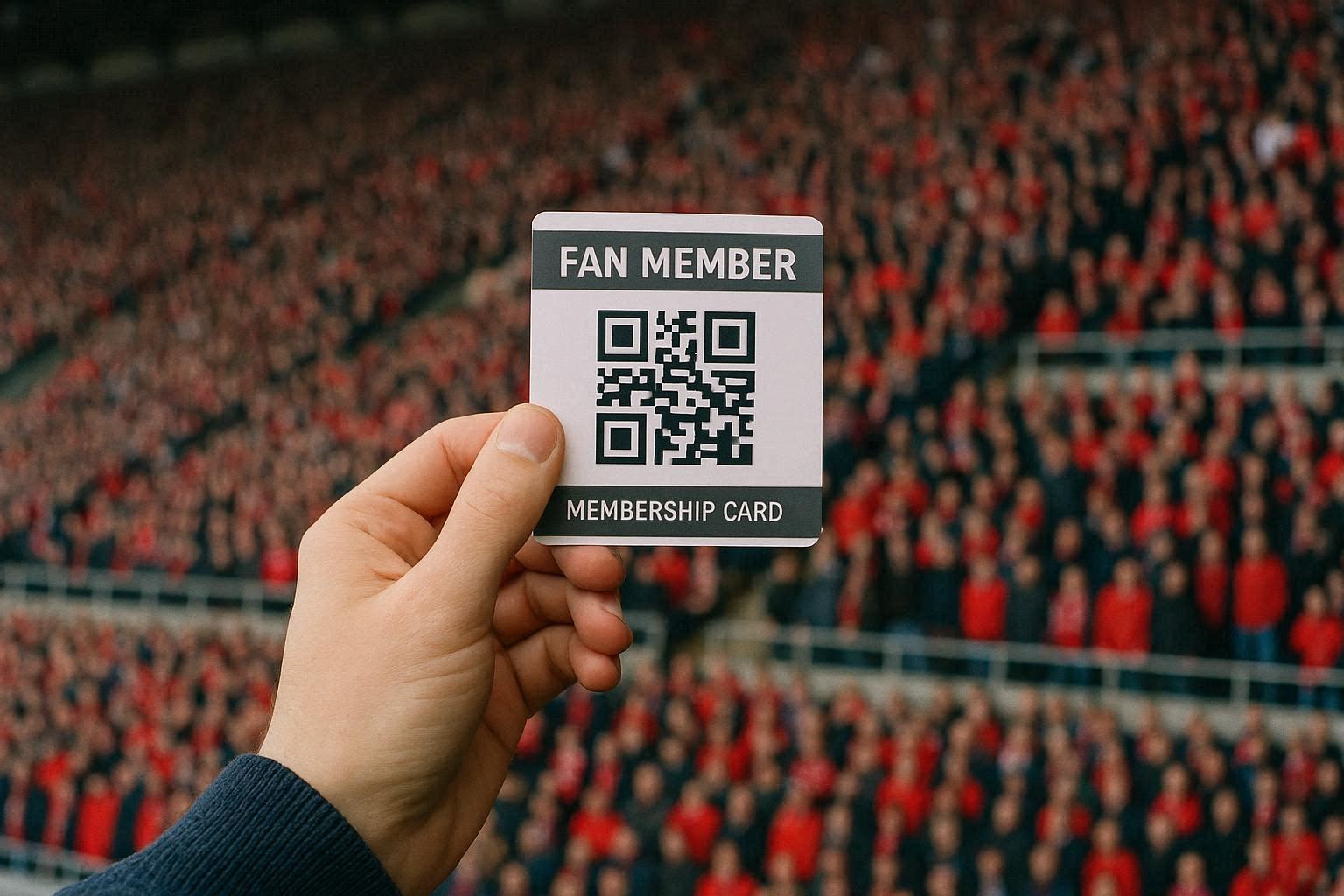
    How do you turn a 170-year-old club into a thriving business? Stand Cricket Club proved it’s possible by repositioning as a “community asset” and watching turnover increase 100%. The link between fan engagement and revenue is direct: digital memberships, event bookings, and modern merchandising.

    By changing perceptions from a “members social club” to a vibrant entertainment destination via targeted social campaigns, they filled the beer garden and the stands. Future Makers helps clubs design this monetization strategy—transforming passive spectators into paying members and loyal customers.

    Stand Cricket Club Relaunch

  • Green is the New Gold: Monetizing Your Sustainability Efforts

    Green is the New Gold: Monetizing Your Sustainability Efforts

    Sustainability is no longer a cost line; it is a revenue driver. The Green Sports Alliance recently released a “Revenue Generation Playbook” proving that eco-initiatives attract “mission-aligned” sponsors willing to pay a premium for ESG credentials.

    Clubs can now tap into market funding by packaging “green” assets. Think: water refill stations sponsored by a local utility, or carbon-offset ticket surcharges. By integrating sustainability into your commercial strategy, you unlock government grants and purpose-driven corporate partners. Doing good is now a direct line to doing well financially.

    Green Sports Alliance Playbook

  • Stop Begging, Start Attracting: The ARC Framework for Sponsorships

    Stop Begging, Start Attracting: The ARC Framework for Sponsorships

    Waiting for brands to discover you is a losing strategy. Sponsorship expert Justin Moore advocates for the “A.R.C. Framework” (Attract, Revenue, Close) a system that turns casual brand interest into eager partnership offers. The key mistake? Undervaluing your assets.

    Clubs must move from “selling space on a jersey” to “selling outcomes.” By packaging your fan engagement metrics and membership data into a compelling pitch deck, you shift the power dynamic. You aren’t asking for charity; you are offering a Return on Investment (ROI). Build the pipeline, price with confidence, and watch partnerships transform from one-off deals to recurring revenue.

    Justin Moore “Sponsor Magnet”